Rental inspections and renewals in 2026: what landlords can do to reduce arrears risk
By David S · 2 November 2026
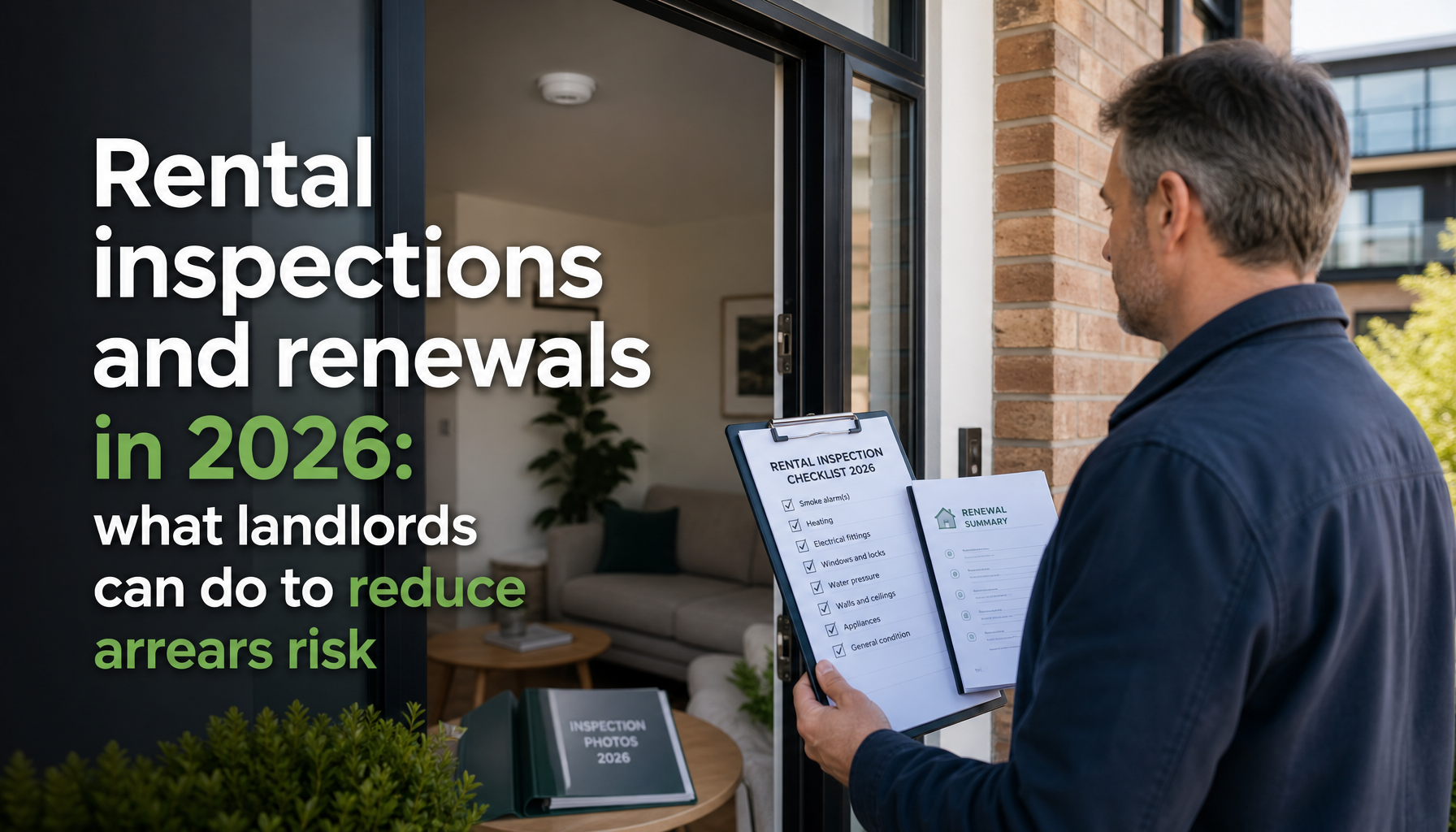
For many landlords, the period around rental inspections and tenancy renewals is where small issues can become bigger ones. A late response to a maintenance request, an unclear agreement on rent changes, or poorly documented property condition can raise stress for both sides. In 2026, a more structured approach can help reduce the risk of missed rent payments and reduce the chances of disputes when a tenancy is coming to an end.
This guide focuses on practical, non-technical actions you can take before arrears begin. It is not legal advice, and landlords should still check their specific circumstances and any obligations with the correct professional support. For general housing information, landlords and tenants can use resources from Citizens Information.
Why inspections and renewals are linked to landlord arrears prevention 2026
Arrears rarely appear without warning. In many cases, tenants struggle because of cashflow pressures, but the triggers can also be linked to the overall renting experience. If a tenant believes problems are ignored, they may become more reluctant to engage. If agreements are unclear at renewal time, expectations can drift. If property condition is not recorded properly, repairs can become contentious.
In 2026, a well-run inspection and a clear renewal process can act as an early warning system. Done correctly, these steps can support landlord arrears prevention 2026 by:
- Creating predictable communication at set intervals, rather than only when there is an issue.
- Documenting property condition so that repair responsibilities are less likely to be disputed.
- Providing clarity at renewal, including how and when rent changes will apply, where applicable.
- Identifying maintenance trends early (for example, repeated drainage problems or recurring electrical faults).
Rental inspections in 2026, a process that reduces friction
A “tick-box” inspection rarely helps. The most useful inspections are consistent, fact-based, and respectful. Consider building a simple workflow that you can repeat each year.
1) Schedule with notice and clear expectations
Make sure the tenant knows what you will be checking and why. In practice, inspections should feel routine rather than confrontational. Provide a short agenda, such as:
- General condition of internal rooms and fixtures
- Kitchen and bathroom checks, including ventilation and leaks
- Heating, hot water, and key appliances (where provided)
- Fire safety basics (for example, smoke alarms where fitted by the landlord)
- Any agreed repairs from the last inspection
If access is difficult, agree an alternative time in advance. Poorly handled access arrangements can damage the tone of the relationship, which is exactly what you want to avoid when you are focusing on landlord arrears prevention 2026.
2) Use evidence, not memory
At each inspection, take dated photos and notes. Keep a record of:
- What looks worn, and what looks damaged
- Any water staining, damp patches, or recurring faults
- Safety-related issues that may need prompt attention
- Items that appear different to when the tenant moved in
This is especially important if you later need to discuss tenancy renewals or potential repayment concerns. Evidence reduces guesswork and helps everyone stay focused on facts.
3) Separate routine wear from repair needs
Repairs and renewals can become emotionally charged if landlords and tenants speak past each other. You can reduce tension by distinguishing between:
- Routine wear that is expected in normal living
- Maintenance needs that arise from ageing systems or breakdowns
- Damage concerns that may require a different conversation
When you describe issues, use clear language, and link each item to a practical next step. If a repair is not urgent, agree a timeline. If it is urgent, act quickly and communicate clearly.
4) Keep a simple maintenance log
Most landlords do not need a complex system. A spreadsheet or property management app can be enough. Track:
- Date reported and by whom
- What was reported, and where
- Action taken, and contractor details where relevant
- Outcome and any outstanding follow-up
This kind of log helps at renewal time. If the tenant feels the home is being maintained, it can reduce the likelihood of breakdowns that lead to arrears.
Tenancy renewals in 2026, how to keep expectations clear
Tenancy renewals can be straightforward, but they are also when tenants reassess budgets and landlords plan costs. A renewal discussion that is handled early and clearly can reduce misunderstandings. This is a key part of landlord arrears prevention 2026 because confusion at renewal often creates delays in rent payments.
Plan renewal timing, do not leave it to the last minute
Start renewal conversations early enough to avoid last-week uncertainty. Practically, it helps to build in time to:
- Confirm whether the tenant is continuing
- Review the inspection findings
- Address any repairs that are still outstanding
- Discuss any changes that are being proposed
If you have a property listing or marketing plan for vacant periods, also make sure you have internal tasks lined up, such as scheduling contractors for urgent works.
Discuss rent and payment expectations clearly
At renewal, avoid vague wording. If rent will change, make sure the tenant understands when the change applies and how it will be paid. If there are no changes, confirm that clearly too.
It can be helpful to summarise the renewal terms in writing. Even where formal steps are managed through a solicitor or agent, a simple written summary can reduce misunderstandings and support better payment discipline.
Review property condition before the renewal decision
Do not rely on assumptions. If issues are known, consider addressing them before the renewal is agreed, where reasonably possible. If you cannot do everything before renewal, communicate priorities and expected timelines. This can prevent the situation where a tenant signs renewal while already frustrated by unresolved defects.
Set boundaries around communication
Many arrears situations escalate when communication becomes reactive or unclear. Consider agreeing a practical approach, such as:
- How the tenant should report maintenance issues
- Whether messages should be sent by email or a chosen channel
- What response times to expect for urgent versus non-urgent issues
Clear boundaries protect both sides. They also make it easier to spot early warning signs, like repeated delayed responses from either party.
Early warning signs and what to do before arrears build
Arrears prevention is often about spotting patterns early. Some common warning signs can include:
- Frequent late payments or partial payments
- Sudden silence after a period of normal communication
- Repeated complaints about repair delays or unresolved faults
- Unclear responses to renewal proposals or rent-change communications
If you notice these issues, keep the response practical. You may want to:
- Check that payment instructions and reference details are correct
- Review whether maintenance responsibilities are being misunderstood
- Confirm the tenant has received and understood any renewal communications
- Seek professional guidance for next steps if arrears begin
It is important not to make assumptions about a tenant’s financial situation. Many people face temporary pressures. At the same time, landlords should protect themselves by keeping records and following appropriate processes.
Using documentation to protect both sides
Strong paperwork does not replace good relationships, but it supports them. In practice, good records help you respond calmly and accurately if a dispute arises, whether it is about repairs, inspection findings, or what was agreed at renewal time.
Consider keeping:
- Dated inspection notes and photographs
- Any correspondence about repairs and approvals
- Maintenance logs and contractor invoices where available
- Renewal communications and any written summaries of terms
If you manage multiple properties, standardise your approach across units so you can compare like with like. Consistency is part of landlord arrears prevention 2026 because it reduces errors and makes the process predictable.
When a property needs attention, fix it with a calm plan
If inspection findings suggest issues, the way you handle them matters. A landlord who responds quickly to safety-related problems and communicates clearly can reduce resentment. A landlord who ignores issues or delays without explanation can unintentionally push the relationship towards conflict.
Where repairs are needed, aim to:
- Prioritise urgent items first
- Give realistic timelines, not best-case promises
- Confirm when works are completed
- Document the outcome
If you are unsure about the appropriate course of action, or you need clarification on responsibilities, consider speaking to relevant professionals. Avoid making commitments you cannot deliver.
Practical checklist for landlord arrears prevention 2026
Use this as a quick planning aid. Adapt it to your property type and your own process:
- Book inspections with notice and a clear agenda
- Take dated photos and keep inspection notes organised
- Maintain a repair log with timelines and outcomes
- Address known issues before tenancy renewals where feasible
- Confirm renewal terms in writing, including rent and payment timing where relevant
- Watch for early warning signs and respond promptly
- Keep documentation for inspections, repairs, and renewal communications
For landlords looking for broader context on housing topics and general guidance, Citizens Information can be a useful starting point via their housing section.
Where to browse rentals and understand tenant demand
If you are managing more than one property or planning for potential turnover, it can help to understand what is available and what tenants are seeking. You can browse current listings on RightPlace at /property-to-rent, or see how other homes are positioned for the market at /property-for-sale.
Ultimately, the goal of landlord arrears prevention 2026 is not to “catch” tenants, but to keep the renting relationship clear, calm, and properly maintained. When inspections are well run and renewals are managed early and transparently, the chances of arrears increasing can be significantly reduced.