Landlords in 2026: balancing rent increases with tenant retention
Landlords · By David S · 30 September 2026
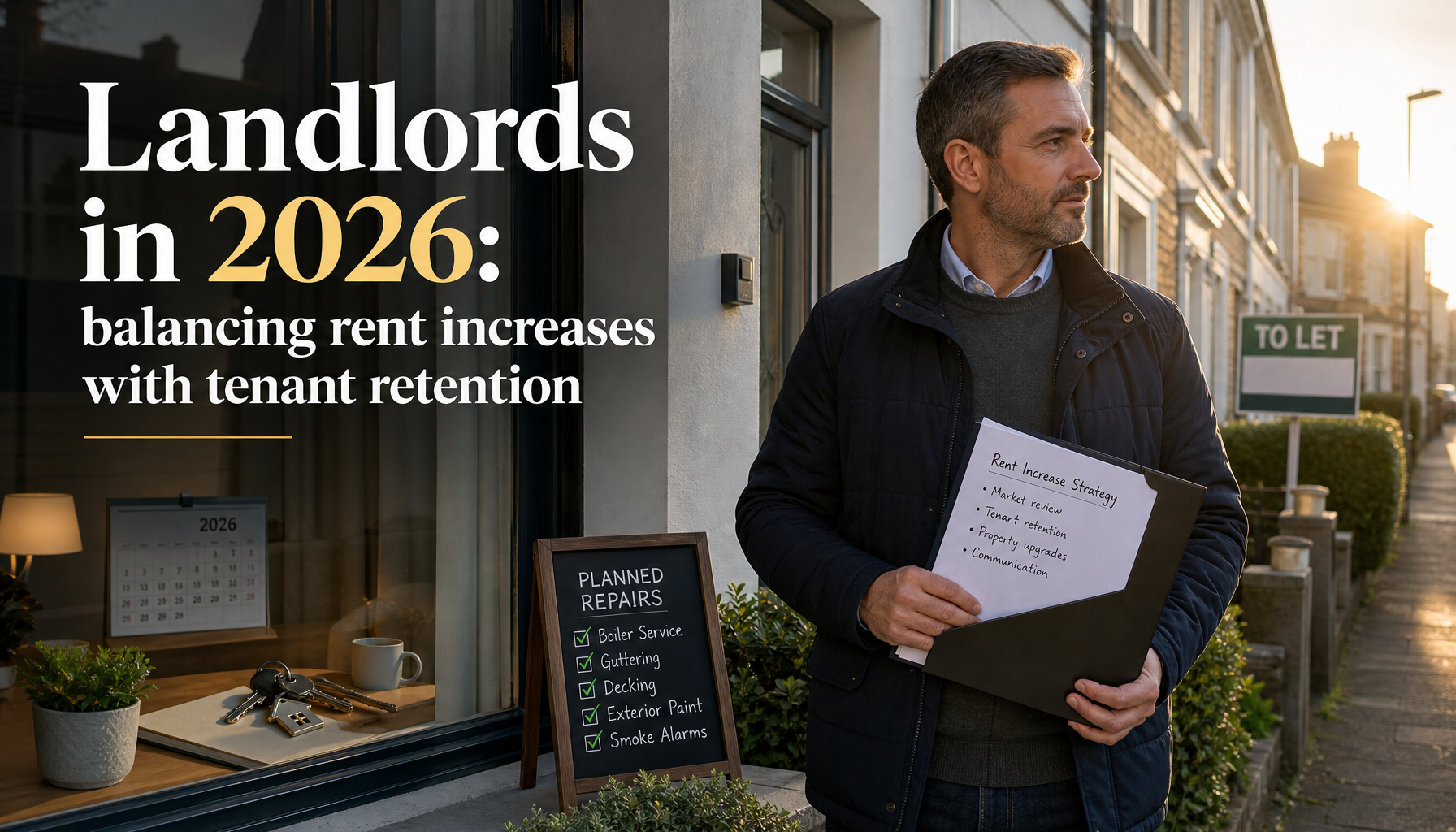
Rent increases are part of operating a rental property. Yet in 2026, more landlords are questioning how to apply a rent increase strategy without damaging tenant retention. The reality is simple: when a tenancy ends, the “cost” is not only downtime. It can include re-letting time, marketing, minor repairs, and the practical headache of managing change. A well-judged increase can protect rental yield, while a poorly timed one can push tenants to look elsewhere.
This explainer is written for landlords who want a balanced approach. It focuses on decision-making you can do from your desk, on the ground steps that protect property condition, and on ways to communicate so tenants feel respected. It also recognises that housing systems are shaped by regulation and guidance, so landlords should consult the relevant official sources and get professional advice where necessary.
Start with the facts, not the feelings
A rent increase decision is often made with a gut reaction, especially when costs rise. In 2026, a more reliable approach is to start with a short, evidence-led review:
- Current market rent comparables: Look at similar properties in the same general area, with similar size, condition, and amenities.
- Your property condition: Has there been wear and tear beyond normal usage, or have improvements been made?
- Your operating costs: Understand which costs have changed and which are one-off.
- Tenancy history: Has the tenant paid consistently, looked after the home, and handled day-to-day maintenance matters responsibly?
Market comparables can help you avoid under-charging or over-shooting. However, comparables can also mislead if they ignore differences in property condition. For instance, two homes might be the same number of bedrooms, but one may have updated insulation, newer fixtures, or better internal presentation. That is why landlords should treat comparables as a starting point, not a final answer.
For broader context on how housing and renting work in Ireland, it can be useful to follow official guidance. Citizens Information is a good place to start for general information about housing topics: https://www.citizensinformation.ie/en/housing/.
Define what “tenant retention” means for your portfolio
Tenant retention is not just about keeping a tenant in place. It also affects how predictable your cashflow is and how quickly you can respond to property issues. In practice, retention can mean:
- Fewer vacancy weeks and less churn between tenants.
- Lower risk of higher repair costs due to delayed reporting or neglect.
- More stable rental yield by reducing re-letting friction.
Not every landlord wants a long tenancy at any cost. Some are actively planning major refurbishment or remodelling. In those cases, you still benefit from clarity. If your plan involves improvements, timing matters. Tenants will often be more receptive when they understand what you are doing and why it impacts the overall value of the home.
A rent increase strategy should be tied to value, not just cost
Many landlords ask whether a rent increase should reflect inflation, interest rate pressures, insurance premiums, or maintenance costs. Those factors matter, but tenants typically respond to perceived value. In 2026, a practical rent increase strategy should link to value in a way tenants can see:
- Property condition improvements: Painting, flooring replacement, upgraded lighting, or repairs that remove recurring issues.
- Energy and comfort upgrades: Where feasible, improvements that reduce drafts, improve heating efficiency, or enhance insulation and ventilation.
- Better responsiveness: Reliable maintenance handling, clear communication, and straightforward processes for reporting issues.
Even if you cannot undertake large-scale upgrades, you can still protect perceived value through a structured “fix and maintain” plan. If a property has unresolved damp spots, faulty heating, or recurring plumbing problems, tenants can view an increase as unfair. Addressing property condition first may reduce resistance later and can support a healthier negotiation environment.
If you are considering changes to your rental plans, it can also help to look at the broader rental landscape. For example, you may want to compare how similar homes are being presented in the market. Browsing live listings is one simple way to sense demand. You can explore rentals here: Browse rentals on RightPlace.
Choose timing carefully in 2026
Timing can determine how tenants experience an increase. Landlords who succeed tend to avoid surprise. A useful rule of thumb is to increase when you can also demonstrate competence around the home. That means planning ahead so you can pair the change with:
- A timely review of the property condition, including any minor repairs.
- Clear documentation and transparency about the rationale.
- A maintenance calendar so tenants know what will happen next.
Seasonality can matter too. The rental market can feel different during periods when people relocate for work, studies, or family reasons. If you time an increase when the local market is more competitive, tenant retention becomes harder, even if your numbers are justified on paper.
Communicate with respect, and you reduce churn
Tenant retention often hinges on tone. A rent increase is a sensitive topic, but respectful communication can make a difference. In 2026, landlords that keep tenants on side typically do four things well:
- Give advance notice: Avoid last-minute changes where possible.
- Explain the approach: Point to market context and property upkeep, without getting argumentative.
- Listen and respond: If tenants raise concerns about repairs or condition, treat those concerns seriously.
- Document consistently: Keep records of correspondence and key decisions.
It is also worth aligning expectations. Some tenants may assume that rent should not change year to year, while others expect annual movement. If you set expectations upfront, you can prevent misunderstandings. RightPlace has a guide on the topic of fair expectations in renting that landlords and tenants may find useful: Renting in 2026: a landlord and tenant ‘fair expectations’ checklist.
Protect rental yield without neglecting property condition
Rental yield depends on both income and costs. A rent increase strategy can increase income, but it can also trigger tenant turnover, which increases costs. That is why landlords should view property condition as part of yield management rather than an afterthought.
Consider the following “yield protection” habits:
- Routine inspections: Spot issues early, before they become expensive.
- Standardise minor repairs: If you have a reliable checklist, you can reduce inconsistencies between tenancies.
- Plan refurbishments: Decide what you will upgrade between tenancies so you do not scramble.
- Keep the home presentable: Tenants respond well to homes that feel cared for.
Where landlords invest in property condition, the increase can feel less like a penalty and more like a reflection of a better-managed home. That can reduce friction when discussing rent adjustments in 2026.
Know your options, including sale or change of strategy
Not every landlord scenario fits a “keep and increase” model. Some owners might decide that a different strategy makes more sense, such as selling if their circumstances have changed or moving to a different type of investment.
If you are exploring alternatives, you might find it helpful to review market activity and presentation requirements. You can look at properties for sale on RightPlace here: Properties for sale in Ireland. It can also be useful to compare demand across residential categories, including new build options, if that is relevant to your long-term plans: New homes in Ireland.
For landlords who currently operate in shared accommodation or house shares, the dynamics of tenant retention may be different again. If your property is let as a house share, you can browse related listings for context: House shares.
Fairness matters, but so does professionalism
In 2026, the most sustainable outcomes often come from professionalism rather than emotion. Tenant retention is not a guarantee, and a rent increase that is too conservative may fail to protect rental yield. Likewise, an aggressive increase can backfire if it is disconnected from property condition or tenant value perception.
A balanced approach typically includes:
- Market awareness, supported by genuine comparable evidence.
- Property condition management, so tenants can see the home is being maintained.
- Clear, respectful communication, so tenants feel informed rather than blindsided.
- Practical planning, so any change is paired with sensible maintenance actions.
For any landlord, it is wise to review the official guidance that applies to your situation. Citizens Information provides helpful starting points on housing topics: https://www.citizensinformation.ie/en/housing/. Where specific obligations or options are unclear, a qualified professional can help you interpret your responsibilities accurately.
The bottom line for a 2026 rent increase strategy
A good rent increase strategy for landlords in 2026 is one that protects both sides of the equation. When you tie increases to value, keep the property in good condition, and communicate with care, you improve the odds of tenant retention. That, in turn, helps safeguard rental yield by reducing vacancy and avoiding costly churn.
Ultimately, the best landlords treat each review as a chance to manage the home better, not just to adjust a figure. If you can do that consistently, rent increases become less of a confrontation and more of a continuation of a well-run tenancy.